Understanding Nutrients and Healthy Foods for Men's Well-being
An educational resource exploring the science of nutrition and the role of different food groups in supporting overall health and vitality.
Educational content only. No promises of outcomes.
The Role of Macronutrients
Macronutrients form the foundation of human nutrition. They provide energy and serve essential structural and functional roles in the body.
Carbohydrates
Carbohydrates are the primary energy source for the body. They are found in grains, fruits, vegetables, and legumes. During digestion, carbohydrates are broken down into glucose, which fuels cellular processes.
Proteins
Proteins are composed of amino acids and play crucial roles in building and repairing tissues, producing enzymes and hormones, and supporting immune function. Common protein sources include lean meats, fish, eggs, legumes, and dairy products.
Fats
Dietary fats are essential for hormone production, nutrient absorption, and cognitive function. Sources include fish, nuts, seeds, oils, and avocados. Different types of fats have varying effects on metabolic processes.
Explore the topic
Essential Vitamins for Men
Vitamins are organic compounds required in small quantities for various bodily functions. They support energy production, immune function, bone health, and many other critical processes.
Vitamin A
Important for vision, skin health, and immune function. Found in carrots, sweet potatoes, spinach, and liver.
Vitamin C
Supports immune function and collagen formation. Rich sources include citrus fruits, berries, bell peppers, and broccoli.
Vitamin D
Essential for calcium absorption and bone health. The body synthesizes vitamin D from sunlight exposure; it is also found in fatty fish and egg yolks.
Vitamin E
A powerful antioxidant that protects cells. Found in nuts, seeds, and vegetable oils.
B-Complex Vitamins
These vitamins support energy metabolism and nervous system function. Found in whole grains, legumes, and leafy greens.
Learn about vitamins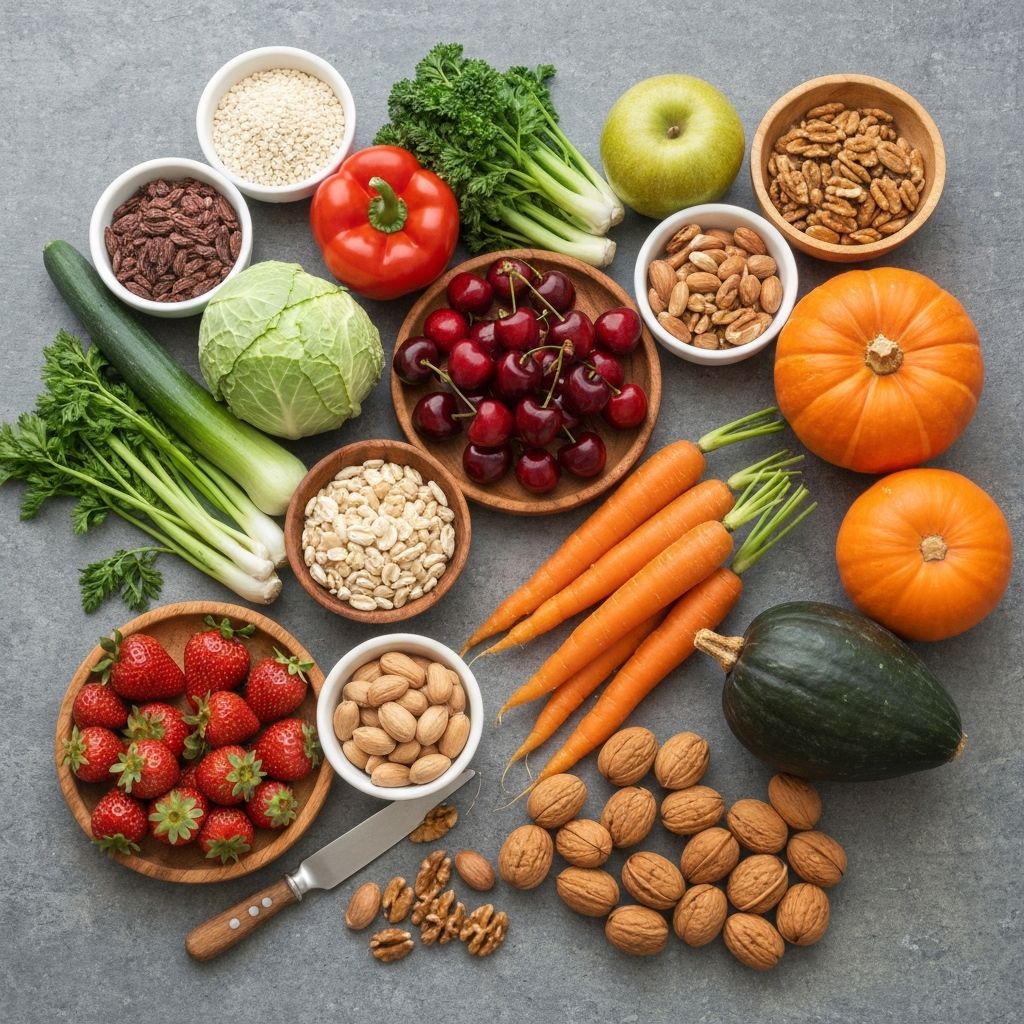
Minerals Supporting Male Health
Minerals are inorganic elements that play vital roles in bone formation, muscle function, nerve transmission, and metabolic processes.
Zinc
Supports immune function and protein synthesis. Found in oysters, beef, pumpkin seeds, and chickpeas.
Magnesium
Essential for muscle and nerve function, energy production, and bone health. Rich sources include nuts, seeds, whole grains, and leafy greens.
Selenium
Plays a role in thyroid function and antioxidant defense. Found in Brazil nuts, fish, poultry, and whole grains.
Iron
Critical for oxygen transport in blood. Found in red meat, poultry, legumes, and fortified grains.
Calcium
Essential for bone strength and muscle contraction. Found in dairy products, leafy greens, and fortified plant-based alternatives.
Discover facts
Antioxidants and Their Benefits
Antioxidants are compounds that protect cells from damage caused by free radicals—unstable molecules produced during normal metabolic processes and in response to environmental stress.
What Are Free Radicals?
Free radicals are byproducts of cellular metabolism. While the body has natural mechanisms to manage them, excessive accumulation can lead to oxidative stress, which may affect cellular function and aging processes.
Antioxidant-Rich Foods
Many plant-based foods contain antioxidants, including:
- Berries (blueberries, raspberries, strawberries)
- Dark leafy greens (spinach, kale, arugula)
- Nuts and seeds (almonds, sunflower seeds, walnuts)
- Legumes (beans, lentils, chickpeas)
- Tea (green tea, black tea, white tea)
- Whole grains
Role in the Body
Antioxidants work by neutralizing free radicals, potentially helping to maintain cellular health and support the body's natural processes. The body also produces its own antioxidants, such as superoxide dismutase and catalase.
View detailsHydration: More Than Just Water
Water is fundamental to every biological process. It regulates body temperature, transports nutrients, facilitates digestion, and supports cognitive function.
Daily Hydration Needs
General guidelines suggest consuming adequate water throughout the day. Individual needs vary based on activity level, climate, and overall health. A common recommendation is to drink enough fluid to maintain pale yellow urine color.
Functions of Water in the Body
- Temperature regulation through perspiration
- Nutrient transport and absorption
- Oxygen delivery to cells
- Joint lubrication and cushioning
- Waste removal through the kidneys
- Brain function and concentration
Hydration and Physical Activity
During exercise, fluid loss increases through perspiration. Adequate hydration before, during, and after physical activity helps maintain performance and recovery.
Continue reading
Fiber-Rich Foods and Digestive Health
Dietary fiber is a type of carbohydrate that the body cannot fully digest. It plays an important role in maintaining digestive health and supporting various bodily functions.
Types of Fiber
Soluble Fiber: Dissolves in water and forms a gel-like substance in the digestive tract. Found in oats, beans, and fruits. May help regulate blood sugar and cholesterol levels.
Insoluble Fiber: Does not dissolve in water and passes through the digestive system largely intact. Found in whole grains, vegetables, and nuts. Supports regular bowel movements.
Fiber-Rich Food Sources
- Whole grains (brown rice, oatmeal, whole wheat bread)
- Legumes (beans, lentils, chickpeas)
- Vegetables (broccoli, Brussels sprouts, carrots)
- Fruits (apples, pears, raspberries, avocados)
- Seeds and nuts (chia seeds, flax seeds, almonds)
Role in Digestive Health
Fiber promotes regular digestive function and helps maintain a healthy intestinal environment. It also provides satiety, which may help with portion control in everyday eating habits.
Read more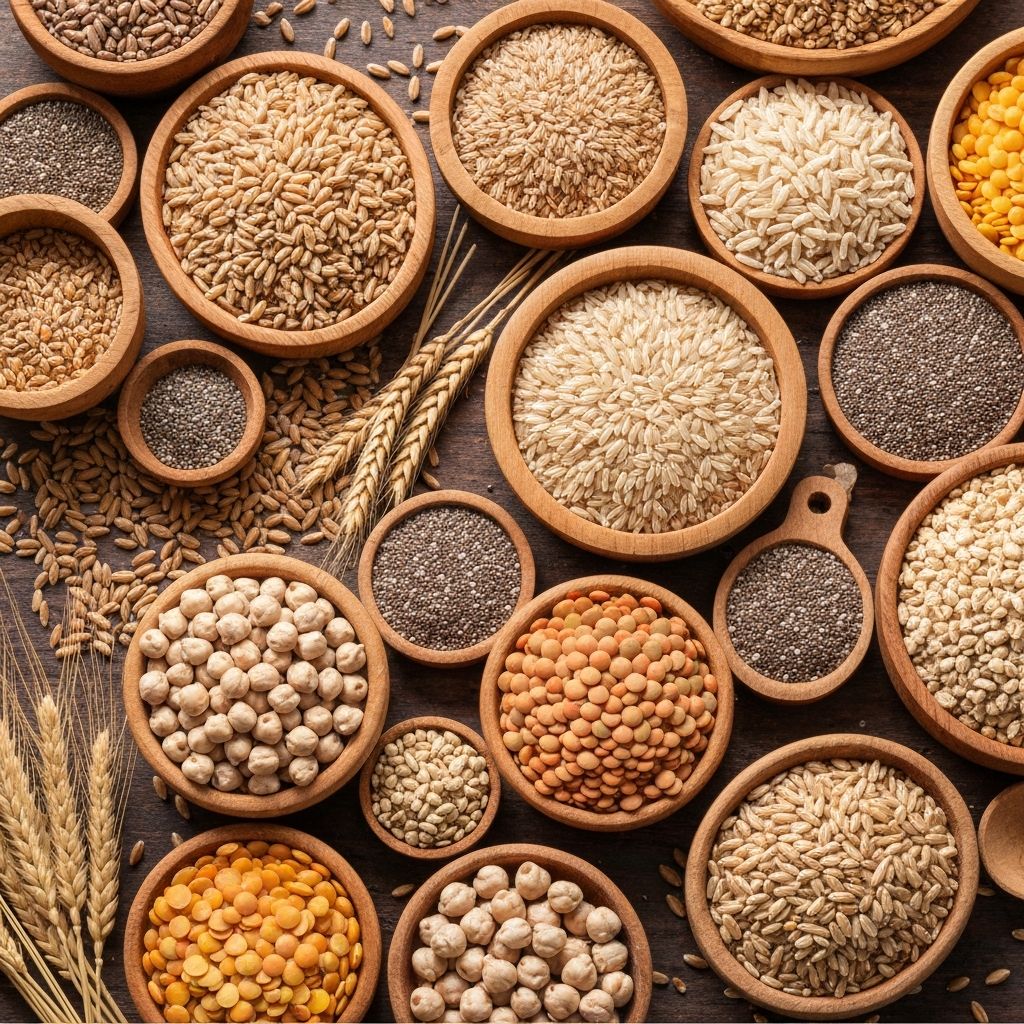
Understanding Dietary Diversity
Consuming a wide range of foods ensures that the body receives a comprehensive spectrum of nutrients. Different foods contain different combinations of vitamins, minerals, and other beneficial compounds.
Why Variety Matters
No single food contains all necessary nutrients in optimal quantities. A diverse diet helps ensure adequate intake of:
- All essential amino acids
- A full range of vitamins and minerals
- Various phytonutrients and antioxidants
- Different types of dietary fiber
Building Dietary Diversity
A balanced approach includes incorporating multiple food groups: proteins from various sources, whole grains, a colorful array of vegetables and fruits, healthy fats, and dairy or fortified alternatives. This approach helps to support diverse nutritional needs.
The Plate Model
General dietary guidelines often recommend a plate divided into sections: half the plate with vegetables and fruits, one quarter with whole grains, and one quarter with lean proteins. This serves as a simple framework for building balanced meals.
Learn about nutritionNutrient Absorption and Bioavailability
The amount of a nutrient consumed is not the same as the amount the body absorbs and utilizes. Bioavailability refers to the degree to which a nutrient can be absorbed and used by the body.
Factors Affecting Absorption
- Food Combination: Certain nutrient combinations enhance absorption. For example, vitamin C enhances iron absorption.
- Digestive Health: The state of the digestive system affects how efficiently nutrients are absorbed.
- Food Preparation: How food is prepared (raw, cooked, fermented) can affect nutrient bioavailability.
- Individual Factors: Age, genetics, medications, and overall health status influence absorption rates.
- Nutrient Form: Natural and synthetic forms of nutrients may have different absorption rates.
Optimizing Nutrient Utilization
Eating a varied diet with whole foods, maintaining digestive health, and combining foods thoughtfully can help optimize nutrient absorption. For instance, consuming healthy fats with fat-soluble vitamins (A, D, E, K) enhances their absorption.
Explore the topicDietary Guidelines and Their Evolution
Nutritional science has evolved significantly over the past century. Current dietary guidelines are based on extensive research and consensus among nutrition experts.
Historical Context
Early nutritional research focused on identifying and preventing deficiency diseases. Over time, the focus expanded to include the role of diet in overall health, disease prevention, and optimal functioning.
Modern Guidelines
Contemporary dietary guidelines, developed by health organizations, recommend:
- Consuming a variety of whole foods
- Limiting processed foods, added sugars, and excess sodium
- Maintaining adequate physical activity
- Balancing energy intake with expenditure
- Emphasizing plant-based foods while including protein sources
Evidence-Based Approach
Modern nutritional science employs rigorous research methodologies to understand how different foods and nutrients affect human health. These guidelines continue to be refined as new evidence emerges.
Discover facts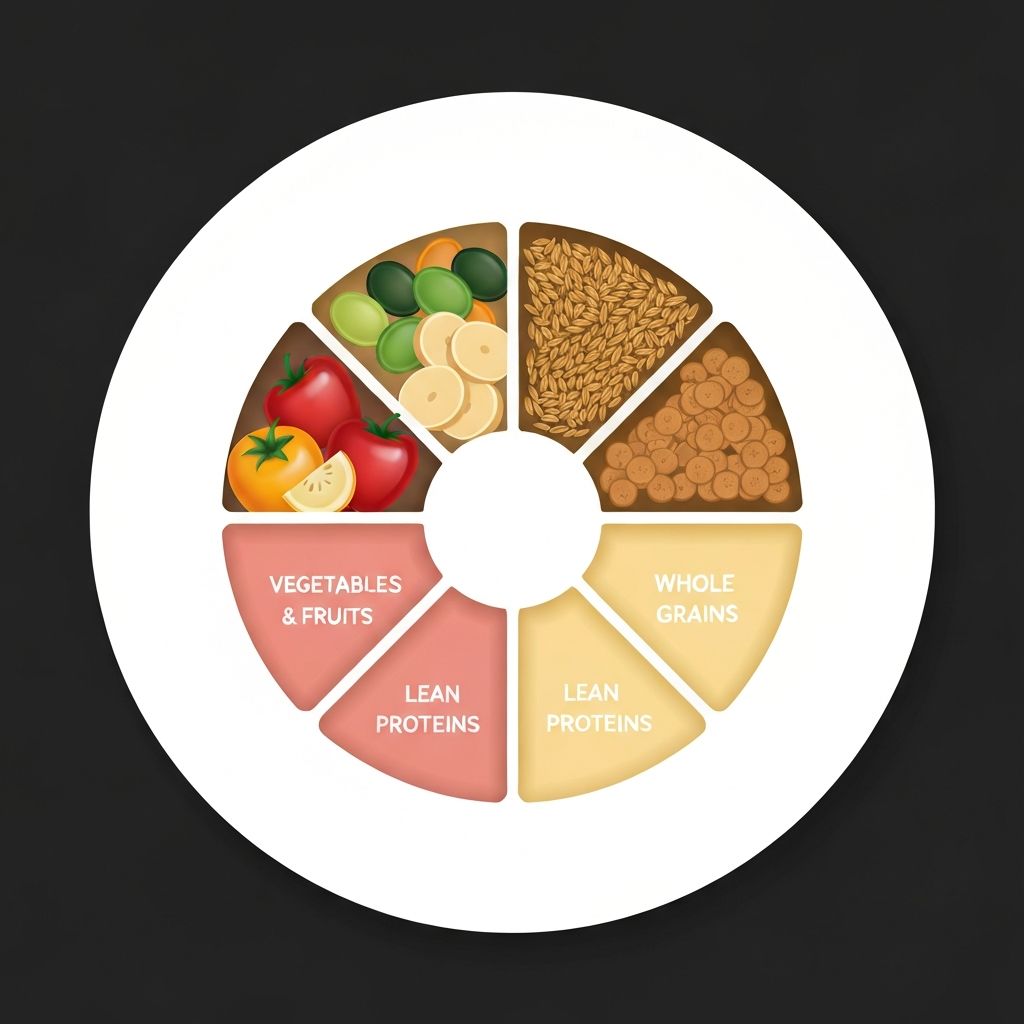
Seasonal Eating and Local Produce
Consuming foods that are in season and locally sourced offers both nutritional and practical benefits.
Nutritional Advantages
Seasonal produce is typically harvested at peak ripeness, when nutrient content is at its highest. Foods that do not require long-distance transportation are often fresher, which may preserve more heat-sensitive nutrients.
Environmental and Economic Benefits
Local sourcing reduces transportation distances and associated environmental impact. It also supports local agriculture and farmers.
Seasonal Food Examples
- Spring: Asparagus, peas, leafy greens, strawberries
- Summer: Tomatoes, cucumbers, berries, stone fruits, zucchini
- Fall: Apples, squash, root vegetables, grapes
- Winter: Citrus fruits, kale, Brussels sprouts, carrots
Building Awareness
Understanding what foods are in season in your region helps build a connection to the natural food cycles and can make meal planning more aligned with local agriculture.
View details
The Impact of Food Processing
Food processing ranges from minimal (such as freezing fresh vegetables) to extensive (such as creating highly processed convenience foods). Different processing methods have varying effects on nutrient content.
Minimal Processing
Methods like freezing, drying, and pasteurization help preserve nutrients while extending shelf life. Frozen vegetables, for example, often retain nutrient content comparable to fresh produce.
Moderate Processing
Processes such as cooking, grinding, and fermentation can both enhance certain nutrients and reduce others. Cooking can make some nutrients more bioavailable while potentially reducing heat-sensitive vitamins.
Extensive Processing
Highly processed foods often have added sugars, sodium, and fats, while fiber and some micronutrients may be reduced. Understanding food labels helps identify the extent of processing.
Making Informed Choices
A diet centered on whole and minimally processed foods generally provides better nutritional density than a diet high in ultra-processed foods. However, some processed foods, such as fortified cereals or canned legumes, can be nutritious choices.
Continue readingBalancing Energy Intake and Expenditure
Energy balance—the relationship between calories consumed and calories expended—is a fundamental concept in nutrition and metabolic health.
Understanding Energy Balance
When energy intake equals energy expenditure, body weight remains stable. When intake exceeds expenditure, excess energy is stored as body fat. When expenditure exceeds intake, the body uses stored energy.
Factors Affecting Energy Expenditure
- Basal Metabolic Rate (BMR): Energy required for basic bodily functions at rest
- Thermic Effect of Food: Energy used in digestion and nutrient processing
- Physical Activity: Energy expended during exercise and movement
- Age and Metabolism: Metabolic rate changes over time
Nutrition and Activity
Combining proper nutrition with regular physical activity supports overall health. Adequate nutrient intake supports energy production and recovery from physical activity.
Explore the topic
Limitations and Context
Educational Purpose: All information provided on Mithara is for general educational purposes only. It aims to explain nutritional concepts and the roles of various foods and nutrients in supporting health.
No Personal Recommendations: This content does not provide personalized nutritional advice, dietary prescriptions, or recommendations tailored to individual needs. Dietary requirements vary widely based on age, activity level, health status, and personal circumstances.
Diversity of Approaches: Humans follow diverse dietary approaches and eating patterns. This resource presents factual information about nutrition without endorsing any particular diet or lifestyle approach.
Professional Consultation: Any significant dietary changes or concerns about nutritional needs should be discussed with a qualified healthcare provider or registered dietitian. This information is not a substitute for professional nutritional or medical guidance.
Educational content only. No promises of outcomes.
Discover More Topics in Our Knowledge Hub
Explore additional resources and expand your understanding of nutrition and healthy foods
For Men About Mithara